
The automotive industry has faced various unprecedented challenges over the last few years due to Covid-19, Brexit and supply chain issues caused by the Russian invasion of Ukraine. These challenges are particularly evident for fleet owners who are struggling to combat rising costs and long lead times as a result.
What Are The Challenges?
Parts & Vehicles Shortages
The shortage of critical components such as semiconductor chips mean that vehicle manufacturers cannot build new fleet vehicles and fulfil orders. These integral parts are only produced in a handful of specialist factories that have been severely impacted by global issues and has therefore created an ever-increasing gap between supply and demand.
With demand racing ahead of supply, fleets are facing longer delivery times, higher list prices and reduced discounts on new parts and vehicles. The average delivery time between ordering and delivery has tripled since the start of 2020!
Energy Costs
Fuel prices have fallen slightly since the £2 per litre peak in July 2022 but diesel is still proving more expensive that it was a year ago, and electric vehicle charging costs have also doubled in the same period.
The increasing fuel and energy prices affect operating costs for all businesses, but vehicle manufacturers specifically, will reflect this in higher prices for parts, vehicles and workshop time. Not only do fleet owners have to deal with the higher operating costs of their business but also accommodate the increased prices imposed by manufacturers.
Repairs, Maintenance and Tyres
Due to longer lead times and increased prices, vehicle manufacturers are prioritising components for new vehicles, whilst workshops are holding less stock and instead choosing to order on demand. Staff shortages because of the pandemic, decreased immigration and a skills shortage with electric vehicles, is also contributing to the longer lead times. The combination of these pressures has resulted in repair costs skyrocketing for fleets.
How Can These Challenges Be Mitigated?
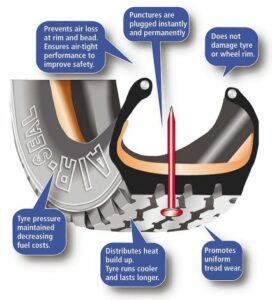
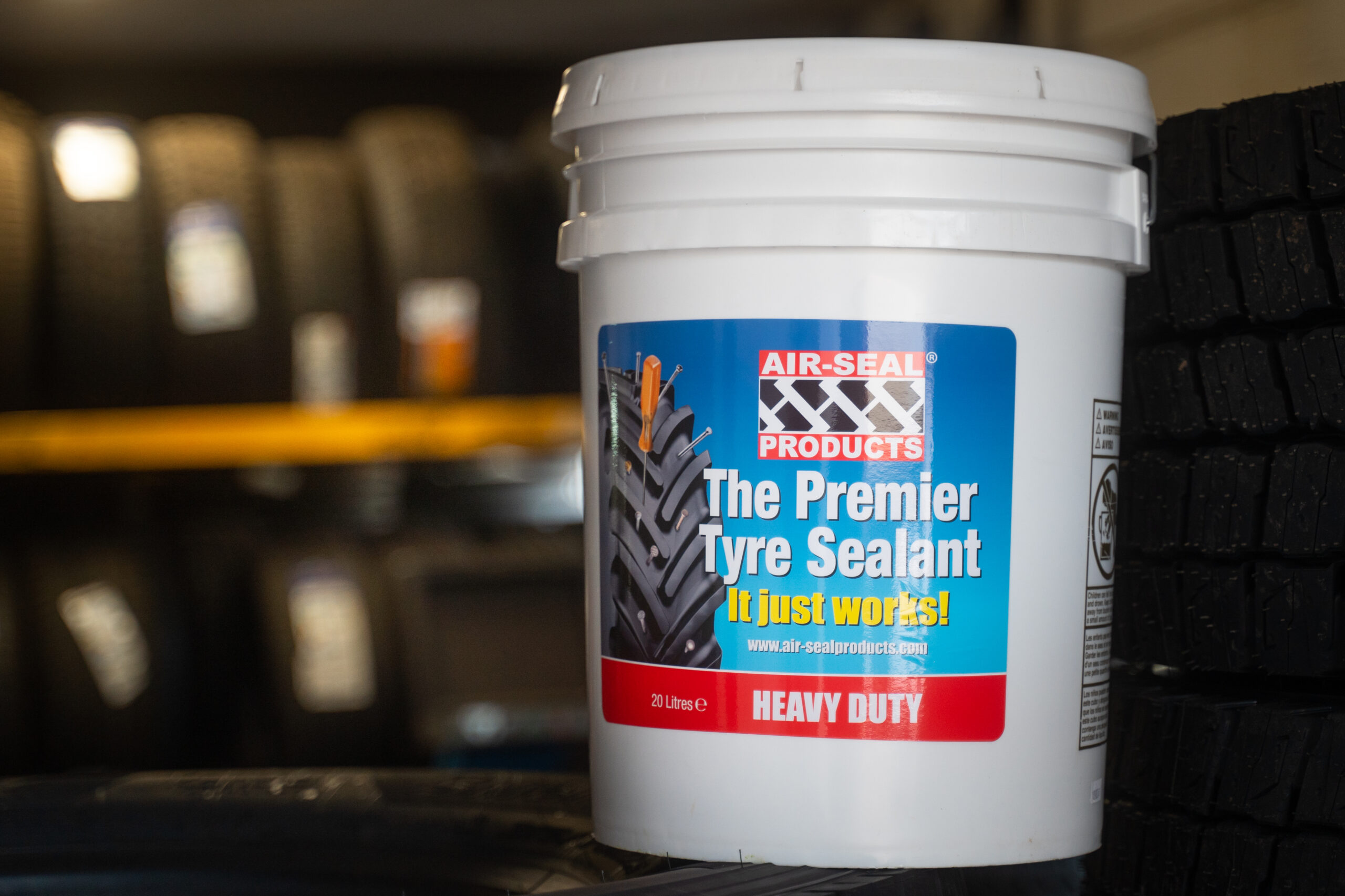
It is going to take time for these challenges to be resolved and so minimising costs and downtime where possible has become even more important for fleets. The use of Air-Seal Products tyre sealant can help cut fuel costs and extend tyre life by maintaining optimum tyre pressure and avoid costly downtime waiting for tyre repair or replacements.
A fleet of ten trucks and trailers could see savings between
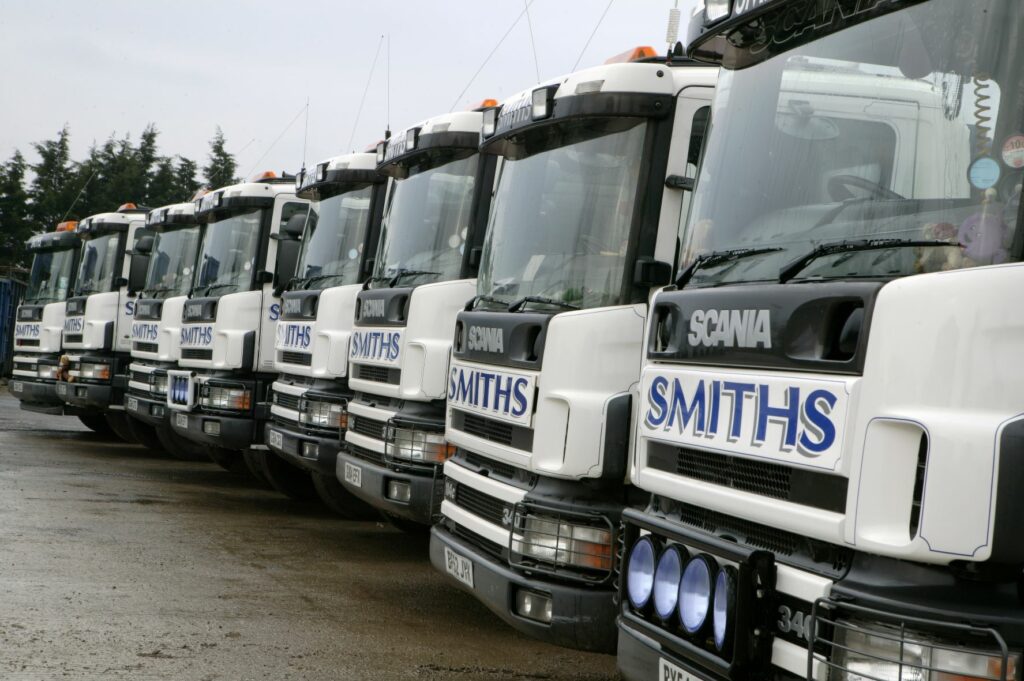
£17,000 – £30,000 per year as a direct result of using our tyre sealant range. Smiths (Gloucester) Ltd said the following:
“We keep records on all tyres which include full tyre life, repair, and replacement. These figures show the monthly repair costs on the treated tyres over the initial nine-month trial were reduced by almost two-thirds from £3,500 to £1,200, a saving of £20,700. When the tyres of all our vehicles have been treated, the total savings are expected to reach £27,600, before downtime costs.”
Still not convinced? Speak to a member of our technical team on +44 (0)1823 674411 or contact us online to find out more.


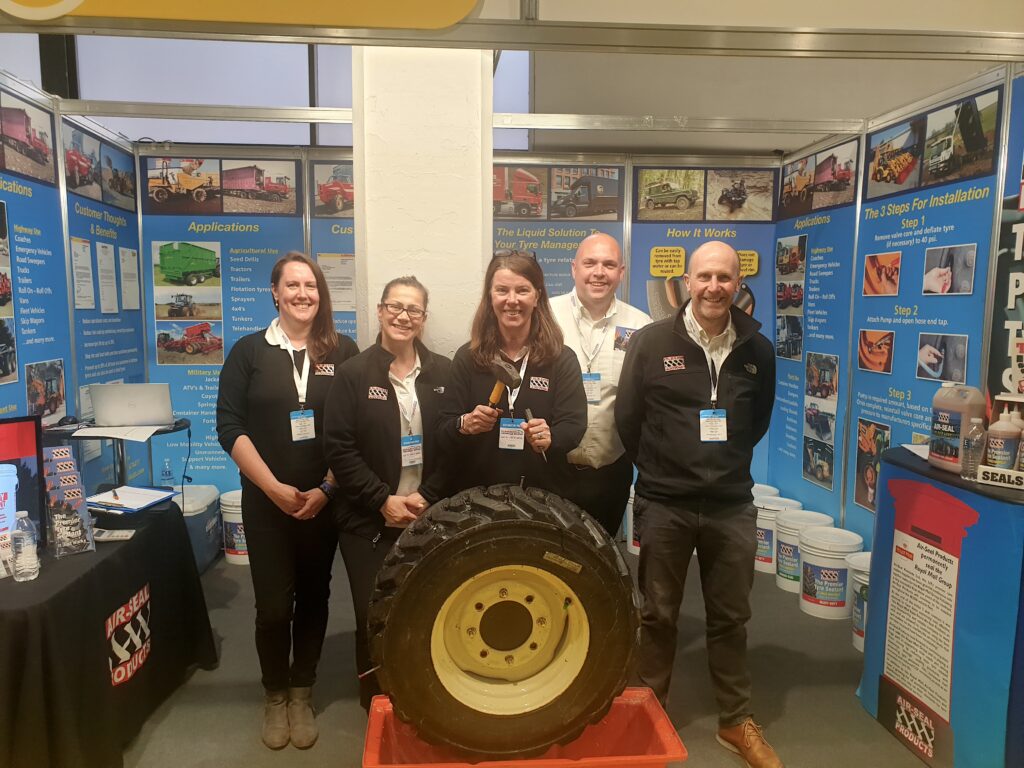




 spike demonstration so much, he then requested to see it a second time along with a technical discussion on how it works.
 refers to the layers of construction that sit under the surface rubber and gives the tyre strength. They should also have the same tread pattern and depth which can vary widely between manufacturers.
 such as
 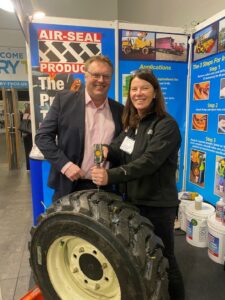 problems and want to find out more about our range of tyre sealant, you can call the team on +44 (0)1823 674411, or find them on stand 566 at
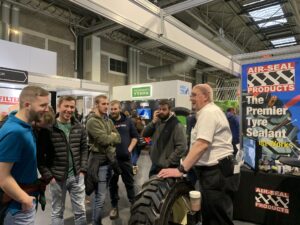 constant use as farmers flocked to stand 656 in hall 18 to watch impressive 15mm punctures being instantly sealed by the premier tyre sealant.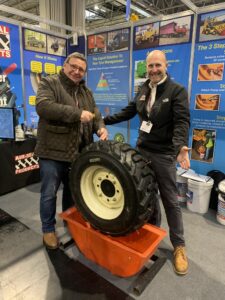

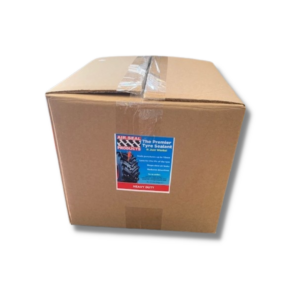 compact box filled with eight bags of tyre sealant, each bag containing three litres of product. Rather than the traditional pail and pump system, which allows product to be installed into a fitted tyre at pressure. The tyre bead needs to be broken from the wheel rim to install the BIB, and contents of the bag simply emptied into the tyre chamber. Due to the installation method, this product is particularly useful for tyre fitters and businesses that are fitting their own tyres.
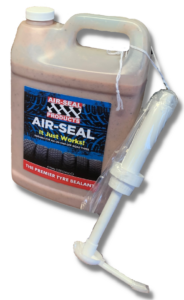 which can treat all four tyres on an ATV exactly. Simply deflate the tyre, attach the hose, and pump in the necessary quantity. Once the sealant has been installed, re-inflate the tyre to manufacturers specifications, and carry on with your day.

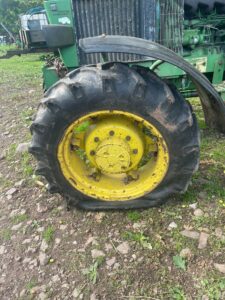 you have ever been stranded by a flat tyre on your ATV ten miles away or suffered a puncture on your combine in the middle of harvest, then you know the importance of a good tyre sealant. Let’s discuss the key characteristics of a high-performance tyre sealant to help you avoid wasting your hard-earned money on a sealant that doesn’t work and being stranded by an inopportune puncture. Whether your tyres are tubed, tubeless, high-speed, low-speed, on-road, off-road, or even water ballasted, Air-Seal Products can help.